Expert Tire Services: Get Back on the Road With Care and Speed
Expert tire repairs play a vital role in maintaining vehicle security and efficiency. Trained specialists conduct thorough inspections to detect various tire problems. From flats to alignment problems, each issue needs careful attention. Understanding when to seek professional help can avoid further complications. As drivers navigate these difficulties, they may question about the best repair options and maintenance practices. Exploring these topics can lead to informed decisions and safer journeys ahead.
Standard Tire Troubles to Familiarize Yourself With
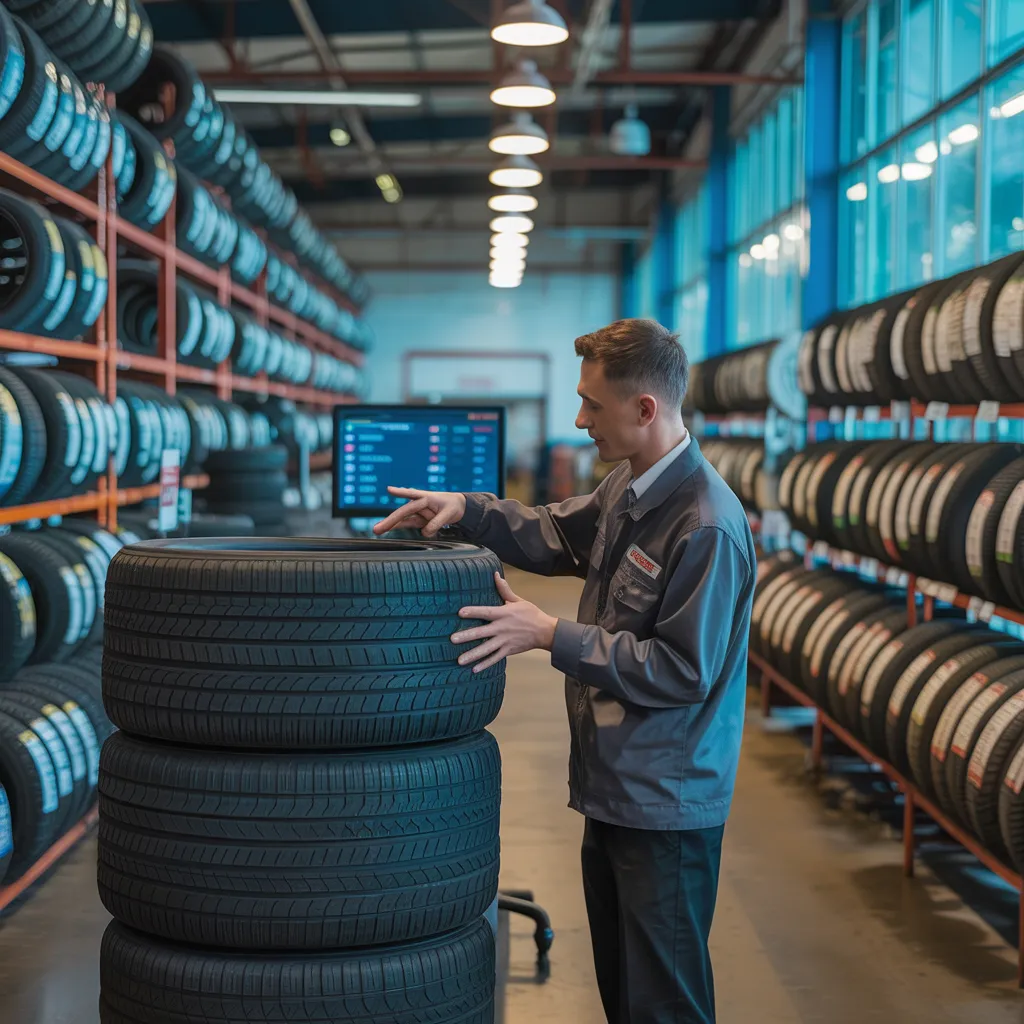
When drivers neglect to monitor their tires, they may face several typical problems that can compromise safety and performance. One prevalent issue is underinflation, which can lead to increased tire wear and lower fuel efficiency. Over time, this can cause the tires to overheat, boosting the risk of a blowout. Another common problem is tread wear, which affects traction and handling, particularly in wet conditions. Uneven wear may indicate alignment or suspension issues, necessitating further inspection. Additionally, drivers may face punctures or sidewall damage from road hazards, causing slow leaks or complete tire failure. Routine tire maintenance including rotations and inspections with correct inflation are essential for preventing these issues. Finally, environmental conditions can also add to tire degradation, making it vital for drivers to pay close attention to their tire health. By understanding these common problems, drivers can boost their safety on the road.
How to Figure Out When to Seek Tire Repairs?
Recognizing the indicators that tire maintenance are necessary is essential for maintaining vehicle security and efficiency. Drivers should be vigilant for particular indicators that suggest tire problems. Irregular deterioration patterns on the tread, for example, may suggest alignment problems or insufficient air pressure. Additionally, visible damage, such as cuts, swelling, or punctures, often necessitates prompt care. A sudden loss of air compression or frequent need for air replenishment
Car operators should keep track of handling and performance changes, such as oscillations or pulling to one side, which could imply tire imbalances or internal damage. Finally, consistently checking the depth of the tire tread is critical; tires with areas of wear undermine traction. By watching for these signs, drivers can confirm timely repairs, improving both safety and vehicle longevity. Addressing these problems promptly not only prevents potential accidents but also cuts down on more extensive repair costs in the future.
What to Anticipate During the Tire Repair Procedure
The tire repair procedure generally entails several key steps to secure safety and performance. At first, a technician inspects the tire for apparent damage and assesses its entire condition. This examination assists in determining whether the tire can be repaired or must be replaced. After the inspection, the technician might remove the tire from the wheel to identify punctures or hidden damage.
Once any issues are identified, the technician cleans the damaged area and prepares it for restoration. This may involve installing a patch or insert, based on the type and location of the damage. After the repair is completed, the tyre is remounted and properly filled to the manufacturer's requirements.
Finally, a quality check validates that the work adheres to safety guidelines. Throughout the relevant resource process, service professionals focus on communication, updating the customer of observations and recommendations. This organized system assures a reliable repair, permitting drivers to return to the road with confidence.
Do-It-Yourself Tire Service versus Professional Support
After comprehending the tire repair procedure, many motorists may consider whether to handle repairs themselves or obtain expert assistance. DIY tire fixes can be appealing, particularly for those with basic mechanical abilities and equipment. Basic holes can often be repaired using fix kits available at auto supply stores, saving both time and cost. However, this approach carries dangers if correct techniques are not used, potentially resulting in further harm or security hazards.
Conversely, expert tire repair providers provide expertise and advanced tools. Skilled professionals can properly evaluate tire deterioration, ensuring repairs remain both effective and secure. They can also identify underlying issues that a DIY approach might overlook. Ultimately, the decision regarding DIY repairs versus professional assistance depends on the driver's self-assurance, background, and how serious the tire damage is. Making an informed decision is essential for maintaining safety while driving.
Guide to Selecting the Optimal Tire Repair Service
How can drivers guarantee they select the top-rated tire repair service? First, they should research nearby options, focusing on customer testimonials and scores. This information provides understanding into the quality of service and dependability of various shops. Next, checking for credentials and partnerships with recognized automotive organizations can demonstrate professionalism and professionalism.
Also, motorists should ask about the types of repairs offered, verifying the establishment can manage their specific tire problems. Transparent pricing practices is also paramount; dependable facilities provide clear estimates without undisclosed charges.
Additionally, reviewing the shop's protection plans on services can provide assurance. Finally, convenience matters—location relative to home or work, as well as available hours, can influence the decision. By examining these points, drivers can with certainty choose a repair facility that fulfills their needs with success.
Merits of Systematic Tire Service
Regular tire maintenance provides numerous benefits that prolong the life span and performance of tires. By routinely checking tire air pressure, tread wear, and general state, vehicle owners can ensure optimal grip and control. Proper inflation decreases deterioration, enhancing fuel efficiency and saving money at the pump. In addition, routine checks can help identify issues such as irregular deterioration or damage, allowing for timely repairs that prevent more significant problems down the road.
Maintaining car tires also enhances safety by reducing the risk of tire bursts or accidents caused by insufficient tread. Also, a well-kept set of tires delivers a smoother ride, improving comfort for both the driver and passengers. Through investing effort in regular tire care, individuals are able to maximize their investment’s value, securing dependable performance and peace of mind while driving. In conclusion, regular tire maintenance is a vital part of responsible vehicle ownership.
Methods for Dodging Future Tire Problems
Taking a proactive approach to tire care can substantially reduce the probability of future problems. Regularly checking tire pressure is vital; insufficient pressure can lead to premature wear and reduced fuel efficiency. It is advisable to check tires for noticeable deterioration, such as cuts or bulges, which may indicate structural defects. Rotating tires every 5,000 to 8,000 miles helps guarantee consistent wear, extending their lifespan.
In addition, maintaining correct alignment and balancing is important to prevent uneven tread wear. Drivers should also check tread depth, using the penny test as a simple method; if Lincoln's head is visible, it's time for a new tire. Finally, avoiding excessive loading of the vehicle can minimize excessive strain on tires. By applying these strategies, vehicle owners can boost tire longevity and promote a safer driving experience.

Typical Questions Encountered
How long will a average tire service last?
A standard tire fix typically requires between 30 minutes to an hour depending on the extent of the damage and the specific repair required. Elements like technician accessibility and workshop volume can also influence the time frame.
Can All Tire Types Be Repaired?
All tire types cannot necessarily be repaired. As a rule, punctures in the tread of passenger tires could potentially be fixed, but sidewall damage, critical wear, or tires with multiple repairs frequently call for new tire installation to ensure safety.
How Much Does Tire Repair Expense?
The cost of tire maintenance typically ranges from $10 to $30, based on the wear and area. Factors such as tire kind and repair shop may influence the final price, making it variable.
Is Tire Service Covered in Insurance Coverage?
Coverage for tire fixes depends on your insurance policy. Some plans provide emergency roadside support and repair costs, though some plans may exclude such coverage. It's essential for individuals to look over their specific policy details to determine what protection applies to tire repairs.
What Methods Can Help Me to Increase My Tire's Longevity?
To maximize a tire's lifespan, routine upkeep is essential. This includes sustaining correct tire pressure, changing tire positions regularly, maintaining correct wheel alignment, avoiding overloading, and monitoring tread depth for traces of damage and wear.